Advanced Skin Pigmentation Treatment in Gurgaon
Doctor-led care in Sector 46, Gurugram
Pigmentation treatment in Gurgaon
Short answer: Pigmentation treatment should begin with diagnosis because melasma, tanning, sun spots, acne marks and post-inflammatory pigmentation need different plans. Treatment aims to improve pigmentation and reduce recurrence risk.
- May be considered for: Melasma, tanning, acne marks and uneven tone
- Safety note: Sun protection and trigger control are important
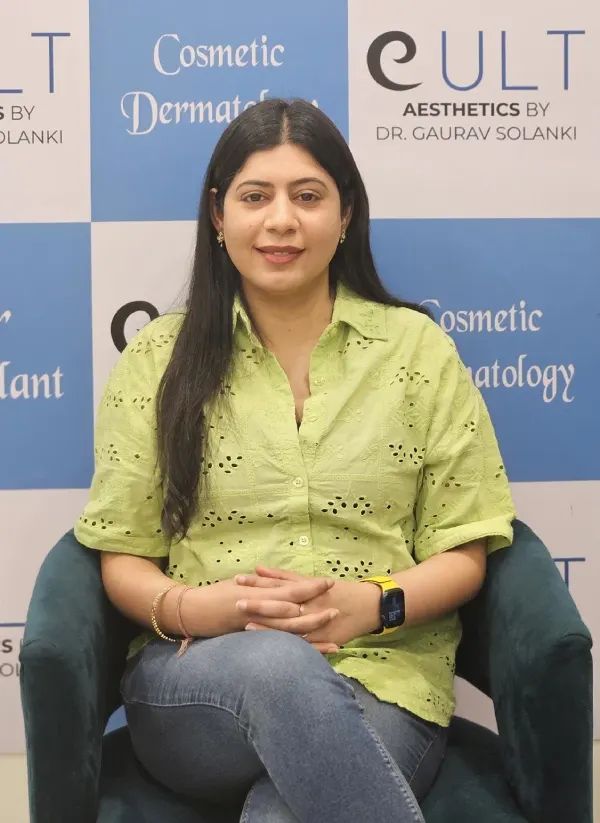
- Doctor supervision: Assessment and treatment planning by Dr. Jaspreet Gulati MD
- Location: Sector 46, Gurugram
- Plan: Personalised after consultation
- Results: Results and session needs vary by patient
This information is educational and does not replace an in-person dermatologist consultation. Suitability, safety, downtime, cost, number of sessions and results vary by patient.
- MD Dermatologist
- Dermatology-Led Care
- Wood's lamp and dermoscope diagnosis
- Customised Skin Protocols
- Sun-Safe Aftercare Plans

Understanding the Condition
What is Skin Pigmentation?
✅ Not just cosmetic: Pigmentation can be a sign of a hormonal or inflammatory problem that needs a proper diagnosis.
🎯 Matched to your skin type: Indian skin (Type IV to V) needs gentler settings and strengths to avoid making pigmentation worse.
🔄 Combination approach: Creams alone rarely give lasting results. Combining them with in-clinic treatment usually works better.
Know Your Condition
Types of Skin Pigmentation We Treat
Pigmentation has many causes, from sun damage to hormones, and each type needs a different treatment.
🌙
Melasma
Brownish patches, usually on the cheeks, forehead and upper lip. Closely linked to hormones, pregnancy and sun exposure. One of the most common reasons women see us for pigmentation.
☀️
Sunspots (Solar Lentigines)
Flat dark patches caused by years of sun exposure. Common on the face, hands and chest.
🔴
Post-Acne Marks (PIH)
Dark marks left after acne or a skin injury. They tend to last longer in deeper skin tones. They're often mistaken for active acne but need different treatment.
🟤
Freckles & Age Spots
Small, flat brown spots. Freckles are often genetic. Age spots appear on sun-exposed skin over time, usually from the 30s onwards.
🌫️
Uneven Skin Tone
General dullness and patchiness rather than one large mark. Linked to pollution, sun and slow skin renewal, and very common in Delhi-NCR.
🎨
Hyperpigmentation (Other)
Darkening caused by medicines, allergic skin reactions or repeated rubbing. Getting the diagnosis right matters, because it changes the treatment.
Root Causes
What Causes Skin Pigmentation?
Knowing why pigmentation develops is the first step to treating it and stopping it from coming back.
☀️
UV Radiation
Sun exposure makes melanocytes produce extra melanin to protect the skin, which leads to dark patches.
⚗️
Hormonal Changes
Changes in oestrogen and progesterone, for example in pregnancy, on the contraceptive pill or around menopause, can trigger melasma in people who are prone to it.
🏙️
Pollution & Oxidative Stress
Fine particles in Delhi-NCR air damage skin cells, which can lead to early pigmentation and dullness.
🔥
Skin Inflammation
Acne, eczema, psoriasis or an injury can leave dark marks as the skin heals (post-inflammatory hyperpigmentation), especially in darker skin.
💊
Medications & Chemicals
Some antibiotics, anti-seizure medicines and chemotherapy drugs, as well as harsh skincare ingredients, can cause pigmentation.
🧬
Genetics
Family history plays a big part in whether you get melasma, freckles and other pigmentation.
🕰️
Ageing
As skin ages, pigment cells become fewer and more uneven, which causes age spots and patchy tone.
🫤
Incorrect Skincare
Bleaching creams, steroid creams and mercury-based products, which are still easy to buy in India, can cause rebound pigmentation and lasting damage.
Clinical Solutions
Pigmentation Treatment Options at Our Clinic
We usually combine treatments, because a single treatment on its own often doesn’t work well enough on Indian skin.
🧪
Dermatologist-Guided Chemical Peels
Glycolic, lactic, mandelic and TCA peels remove the pigmented surface layers, speed up skin renewal and reduce melanin build-up. We choose the strength to suit your skin type and how deep the pigment is.
⚡
Q-Switch Nd:YAG Laser
A laser that breaks up melanin in dark spots at different depths while sparing the surrounding skin. With the right settings it's suitable for Indian skin and has little downtime.
💎
Microdermabrasion & Dermabrasion
Gentle exfoliation with fine crystals or a diamond tip to remove the top layer of dull, pigmented cells. Best for mild pigmentation and dullness.
🌟
Vitamin C & Kojic Acid Infusions
Brightening ingredients like vitamin C and kojic acid, delivered into the skin, can help even out mild pigmentation. How well they work depends on the type and depth of pigment, and on sun protection.
💧
Cosmelan / Dermamelan Peel
An intensive depigmentation treatment made for melasma and widespread pigmentation, followed by a home-care routine. Often useful for stubborn, hormone-related pigmentation.
🏠
Prescribed Home-Care Regimen
Results last longer with the right home routine. We may prescribe tretinoin, azelaic acid, arbutin, niacinamide or hydroquinone (where appropriate), always with a broad-spectrum SPF 50+ to stop pigmentation coming back.
Why Patients Choose Us
Choosing a Pigmentation Clinic in Gurgaon: What Matters
Treatment Journey
Your 5-Step Pigmentation Treatment Process
The aim is a more even skin tone, with honest advice about what triggers pigmentation, how to maintain results and why sun protection matters.
01
In-Depth Skin Analysis & Diagnosis
Your dermatologist examines your skin under a Wood's lamp and a dermoscope to find the type, depth and cause of the pigmentation. We don't skip this, because the wrong treatment for the wrong type can make pigmentation worse.
02
Customised Protocol Design
Based on your skin type, the type of pigmentation, your lifestyle and your goals, we put together a plan that may combine several treatments, with a timeline and review points.
03
Clinical Treatment Sessions
Sessions are 3 to 4 weeks apart and may combine peels, laser or infusions. Each takes 30 to 60 minutes, and most people go back to work the same day.
04
Home-Care Programme
You'll get a prescription skincare routine to use at home, usually a pigment-reducing serum, a mild exfoliant, a moisturiser and SPF 50+. Sticking to it makes a big difference.
05
Review & Maintenance Plan
At each follow-up we compare photos and adjust the plan. Once you're happy, we set up maintenance to stop pigmentation returning, which matters most with melasma.
What to Expect
Typical Pigmentation Improvement Timeline
Pigmentation treatment takes time. Here’s a typical timeline, though everyone responds differently.
Week 1–2
Skin Priming
We prepare your skin with prescribed home care and take baseline photos. Some early brightening can start from the prescription creams.
Session 1–2 (Month 1)
First Visible Lift
After the first peel or laser sessions, dark spots can look slightly darker before they fade. That's normal. Skin starts to look fresher.
Month 2–3
Gradual Improvement
Post-acne marks and sunspots usually fade noticeably by now. Melasma improves more gradually.
Month 4–6+
Ongoing Improvement and Maintenance
Most people see a clear improvement by this stage. Maintenance sessions every 6 to 8 weeks and daily SPF help keep it.
Our Advantage
Why Choose Cult Aesthetics Dermatology?
Accurate Diagnosis First
Every patient has a dermoscope and Wood's lamp examination before treatment starts. Getting the diagnosis right is what makes the biggest difference to results.
Experience With Indian Skin
Indian skin types (Fitzpatrick IV to VI) need adjusted settings and strengths. We plan every treatment with that in mind.
Clinic-Guided Treatment Planning
Q-switched Nd:YAG laser, dermatologist-guided peels and Cosmelan or Dermamelan systems, used by a dermatologist.
No Harmful Bleaching Products
We never use mercury creams or unprescribed steroid products. Everything in your plan is prescribed by the dermatologist.
Progress Review With Photography
We take standardised photos at every visit, so you can see the change for yourself.
Post-Treatment Support
Follow-ups don't stop after the last session. We stay in touch with maintenance plans and reviews so your results last.
Dermatologist-Led Pigmentation Assessment
Tired of Covering Up Dark Spots Every Day?
Pigmentation can be treated, and the first step is finding out what type you have. Book a consultation with our dermatologist and get a clear plan.
📍 Sector 46, Gurgaon, easy to reach from Sohna Road, Golf Course Extension and South City
Real Results
Pigmentation Treatment Photo Examples
Photos of our patients. Results depend on skin type, how severe the pigmentation is and how closely the home-care routine is followed.
Common Questions
Frequently Asked Questions
Yes, when they're done by a qualified dermatologist using settings suited to Indian skin (Fitzpatrick IV to V). Treatments that are too aggressive can cause more pigmentation in darker skin, so we start gently and adjust as we go.
Book Your Visit
Start Your Pigmentation Consultation
Whether you’re looking for melasma treatment in Gurgaon, want to get rid of dark spots, or just want an opinion on uneven skin tone, our dermatologist can help.
Book a consultation at our pigmentation clinic near you in Sector 46, Gurgaon. The consultation and skin analysis are free, with no obligation.
+91-8826141232
4th Floor, BN. 67, Residency Green, Jal Vihar Colony, Sector 46 Gurugram, Haryana 122003
Mon, Wed–Sun: 11:00 AM – 7:00 PM | Tuesday: Closed
Book a Consultation
Leave your details and our team will call you back to confirm your appointment.
Pigmentation Assessment Can Help Plan Next Steps
Cult Aesthetics Dermatology, Sector 46, Gurgaon. Dermatologist-led care for pigmentation.